DIY or Professional Drain Cleaning in Garrett? What’s Safe and What Isn’t
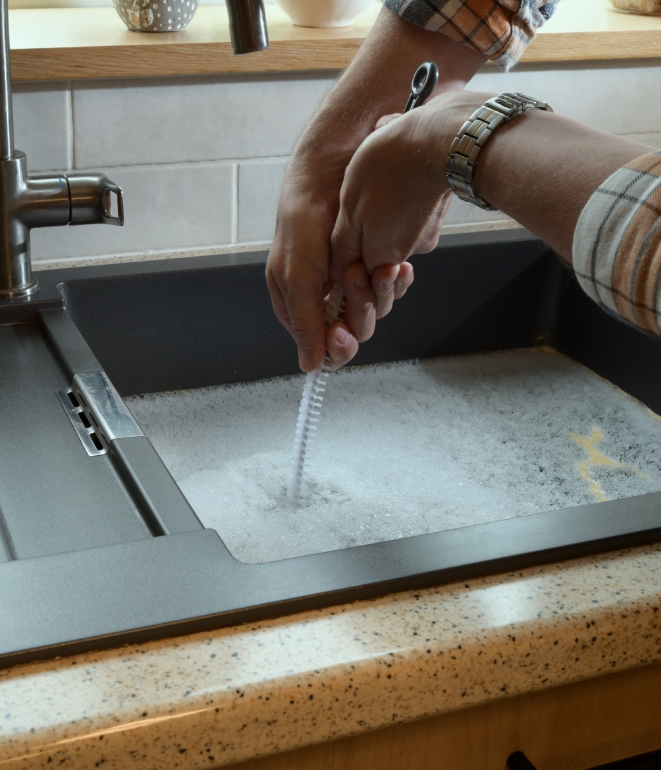
Is your sink, shower, or bathtub draining slowly? It’s tempting to grab a bottle of chemical cleaner and pour it down. But is DIY drain cleaning actually safe?
While chemical solutions promise quick results, they can sometimes do more harm than good. Knowing the risks and safe alternatives and when it’s better to call a professional at T&T Plumbing & Heating, Inc. can save your plumbing and your wallet.
The Risks of Chemical Drain Cleaners
Many store-bought drain cleaners rely on powerful chemicals to dissolve clogs. Even though they’re readily available, you may still wonder is DIY drain cleaning safe?While they can appear effective at first, repeated or improper use may lead to serious problems.
- Pipe Damage: Harsh chemicals can corrode metal pipes, like copper or galvanized steel, and gradually weaken PVC joints. Corroded pipes can easily lead to leaks or even total pipe failure.
- Health Hazards: Chemical cleaners are toxic. Spills or splashes can burn your skin and irritate eyes or damage your lungs if you inhale the fumes. Even a small accident can require medical attention.
- Incomplete Clogs: Drain cleaners often dissolve only part of a clog. Hair, grease, residue, and other debris may remain deeper in the pipe, causing recurring blockages that are harder to remove later.
Some homeowners use these chemicals repeatedly when the clog comes back. But repeated use increases the likelihood of long-term plumbing damage.
DIY Drain Cleaning: Safe and Practical Methods
So, is DIY drain cleaning safe if chemical cleaners aren’t? Yes, certain low-risk methods can handle minor clogs without chemicals; the key is to know your limits.
Plungers
A standard plunger can work wonders on sinks, tubs, and showers. Use a flanged plunger for toilets. Make sure you have a good seal and use steady, controlled pressure.
Manual or Small Electric Snakes
For clogs that are deeper in the drain, a drain snake can mechanically remove debris. Avoid forcing the tool if it meets resistance, since this can damage older pipes.
Baking Soda and Vinegar
Instead of using chemical cleaners, you may want to try putting 1/2 cup baking soda in a clogged drain, then a 1/2 cup vinegar. Leave it for 15 to 30 minutes to break up debris, then rinse using hot water. This method can help break down mild grease or soap buildup.
Advice for DIY Drain Cleaning
A few tips for safe DIY drain cleaning include:
- Always wear gloves and eye protection.
- Avoid combining chemical cleaners with natural DIY methods. This can create dangerous reactions.
- Stop immediately if the clog doesn’t budge after one attempt: this may signal a deeper problem that needs a professional.
DIY methods are best for minor clogs. For stubborn blockages due to tree roots, collapsed pipes, heavy debris, or similar causes, chemical or mechanical DIY methods rarely solve the problem completely.
Why Professional Drain Cleaning Is Safer
Calling a licensed plumber means you’re protecting your home’s plumbing and avoiding health hazards. Our professionals have access to specialized tools and expertise that homeowners don’t, such as:
Video Inspection
Our plumbers can insert a small camera into the drain to pinpoint the exact location and type of clog, reducing the risk of unnecessary plumbing damage.
High-Pressure Water Jetting
We can blast debris through pipes with water at extremely high pressure, clearing stubborn clogs without harming your pipes.
Mechanical Augers and Rotary Tools
For tough clogs, our plumbing team uses advanced augers that can cut through hair, grease, and other buildup safely.
Long-Term Solutions
We know how to spot problems before they become emergencies, like pipe corrosion, misalignment, buildup in hidden areas, and more.
Professional drain cleaning may seem costly upfront. But it often saves you money in the long run, preventing repeated clogs and pipe damage, along with emergency repairs.
Comparing DIY vs. Professional Drain Cleaning
Here’s a clear breakdown to help you decide what’s right for your home:
DIY Drain Cleaning
- Low-cost and convenient for minor clogs
- Safe methods like plungers or snaking work well for small blockages
- Chemical cleaners can damage pipes and harm your health, while often only providing temporary relief
Professional Drain Cleaning
- Higher upfront cost but long-term savings with reduced risks of recurring problems
- Safe for all types of plumbing, including older or more delicate systems
- Thorough, lasting results using cameras, high-pressure jets, and advanced tools
For a slightly slow drain or minor clog, DIY methods may be sufficient. But for persistent and recurring or deep clogs, professional drain cleaning is the safest and most effective choice.
Tips for Avoiding Future Clogs
Preventing clogs is much easier than fixing them. A few simple habits can help keep your drains flowing freely:
- Avoid pouring grease, coffee grounds, large amounts of food, and starchy foods down kitchen drains.
- Be mindful of hair and soap buildup that can block bathroom drains.
- Schedule professional drain cleaning at least once a year if you have older plumbing or notice slow drains to stop small issues from turning into major ones.
- Use sink and shower strainers to trap debris before it enters the pipes, reducing the likelihood of blockages.
Taking these steps can reduce plumbing headaches and save you money, while helping your pipes last longer.
Choose Safety and Peace of Mind
DIY drain cleaning may seem tempting. But chemical cleaners aren’t always the right choice for safety reasons. Professional drain cleaning in Garrett protects your pipes and ensures full clog removal to keep your plumbing safe.
Whether it’s a minor clog or a recurring problem, investing in professional care is a smart choice for the long-term health of your home. Don’t risk costly repairs; opt for professional expertise and enjoy worry-free drains.
Protect your home’s plumbing today. Schedule professional drain cleaning with T&T Plumbing & Heating, Inc. and experience safe, lasting results!